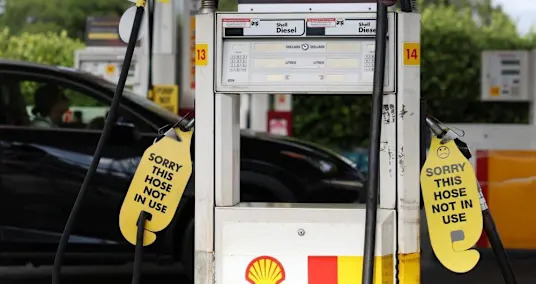

The interruption of oil and gas supplied through the Strait of Hormuz due to the US-Israel war with Iran has dramatically pushed up global energy prices.
Petrol has gone up already and UK domestic heating bills are almost certain to follow.
But it's not just fuel that's been impacted by the conflict. A host of other vitally important chemicals, gases and other products normally enter international supply chains via the Hormuz Strait.
BBC Verify has found that the price of a host of goods - ranging from food, to smartphones, to medicines - could be affected, as the number of ships passing through the Hormuz Strait has dropped from well over 100 a day before the war to just a handful.
Here is what could be impacted.
Fertilisers (Food)
Petrochemicals are derived from oil and gas and they are produced in great quantities for export by countries in the Gulf region.
And one of the most important is fertiliser, vital for global agricultural production.
According to the United Nations, around a third of the world's fertilisers - such as urea, potash, ammonia and phosphates - normally pass through the Hormuz Strait.

Data from the World Trade Organization shows that, since the conflict began, outbound shipments of fertiliser-related products through the waterway have collapsed.
Analysts have warned that a shortage of these ferilisers is likely to be particularly damaging to agricultural production now because March and April are the northern hemisphere's planting season and less fertiliser use now by farmers will impact yields for later in the year.
"A relatively brief closure could disrupt an entire growing season, with food security consequences that persist long after the strait reopens," according to researchers at the Kiel Institute.
-
Nearly 100 ships pass the Hormuz Strait - who is getting through?
-
How risky would it be to escort ships through the Strait of Hormuz?
-
In maps: Attacks across Iran and the Middle East enter third week
The Institute's work suggests a full closure of the Strait of Hormuz could push up global wheat prices by 4.2% and fruit and vegetable prices by 5.2%.
And it estimates that the most badly affected countries in terms of the overall increase in food prices would be Zambia (31%), Sri Lanka (15%), Taiwan (12%) and Pakistan (11%).
Russia normally supplies around a fifth of global fertiliser exports and analysts say it could potentially increase production to fill the gap.
Vladimir Putin's special envoy, Kirill Dmitriev, has said that Russia, a major producer of commodities like fertiliser, is "well positioned".
latest_posts
- 1
 $1,000 bribes, Mormon momfluencer mixers and making content to get plastic surgery: The wildest things I learned reporting my book
 - 2Ukraine confirms defence and energy ministers at second attempt
- 3Flight cancellations: Full list of 40 airports hit by FAA cuts amid government shutdown
- 4NASA to bring astronauts home from space station early due to a medical issue
- 5Woman leaves bachelorette trip after trusting her gut about sketchy men partying it up with friends




- Australians told to continue Easter travel plans despite fuel shortages
- Cocaine, caffeine, painkillers consumed by sharks in Bahamas, study finds
- David Duchovny's new thriller has him stripping down at 65. But its chilling premise hits close to home.
- Figure out How to Augment the Advantages of a Web-based Degree
- Flourishing in a Remote Workplace: Individual Techniques
- Incredible Travel Objections for Craftsmanship Darlings to Visit
- Mars orbiter sees 'butterfly' crater spread its wings on the Red Planet
- Brazilian cardinal orders a popular Catholic priest to go offline following right-wing attacks
- The most effective method to Alter Your Kona SUV for Greatest Solace and Comfort