Latvia will seek an emergency meeting of the United Nations Security Council in response to Russia’s latest heavy attacks on Ukraine, Latvian Foreign Minister Baiba Braže said on Friday.
Russia earlier carried out renewed large-scale airstrikes on Ukraine and said it had, for the second time since the start of the war, used its nuclear-capable Oreshnik intermediate-range missile in stike on the western city of Lviv, not far from the border with Poland.
"Latvia will request an extraordinary meeting of the UN Security Council in response to Russia’s barbaric attack against Ukraine, including using an intermediate range ballistic missile close to the EU and NATO border," Braže wrong on X.
Latvia took up a non-permanent seat on the Security Council for the first time on January 1 and will serve on the UN’s most powerful body for two years.
The Baltic EU and NATO member, which borders Russia, is a close partner and supporter of Ukraine, which has been fighting a Russian invasion for nearly four years.
latest_posts



 Defence chiefs of Thailand and Cambodia to discuss ceasefire
- Manual for Picking the Ideal Wine Matching
- Grasping the Course of Evacuation and Extradition in U.S. Migration
- Argentina reportedly delaying embassy move over Israeli company's oil project near Falklands
- Washington resident is infected with a different type of bird flu
- Avoid Slam: Exploring the Pickup Truck Transformation
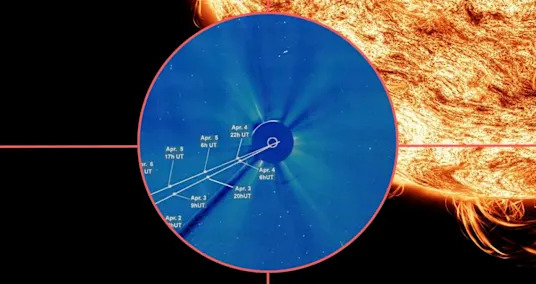
- Comet MAPS faces a make-or-break moment as it dives toward the sun on April 4 — could it shine in the daytime sky?
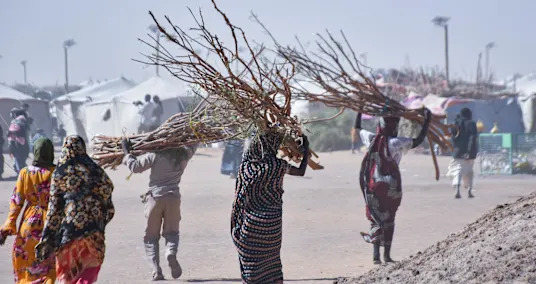
- Sexual violence part of 'everyday life' in parts of Sudan, charity says
- Ghassan Al-Duhaini to replace Abu Shabab as Popular Forces leader in Gaza