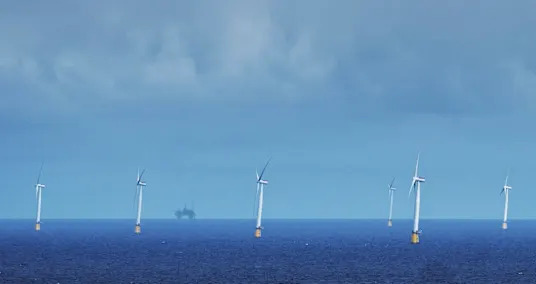
India’s much-delayed 2035 climate plan underestimates the country’s clean energy potential and allows for an acceleration of emissions growth, according to analysts. The plan aims to reduce the emissions intensity of its GDP by 47% from 2005 levels and increase the share of its electricity capacity from nonfossil sources to 60% by 2035.
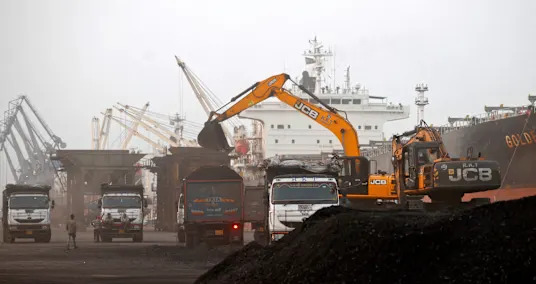
The reduced carbon intensity target would, however, still allow India’s carbon emissions to increase by 70% over the next decade if GDP grows at a target rate of 7% per year, Lauri Myllyvirta of the Centre for Research on Energy and Clean Air told Semafor. That would translate to emissions growth of 5.5% per year, above the average rate of 3.5% over the past decade.
India is also on track to achieve its clean power capacity target well ahead of time: Its Central Electricity Authority projects that nearly 70% of power capacity will come from nonfossil sources by 2035-36.
“India’s booming clean energy industry is highly likely to deliver much faster progress than policymakers were prepared to commit to,” Myllyvirta said. Disruptions to oil and gas flows caused by the Iran war and the competitiveness of clean energy could strengthen the case for accelerating renewable deployment.
latest_posts
- 1
 The most effective method to Shake Hands During a Pandemic: Wellbeing Tips and Behavior
 - 2Who is Artemis? Meet the Greek goddess who inspired NASA's return to the moon
- 3Great DSLR Cameras for Photography Devotees
- 4Turning into a Distributed Writer: My Composing Process
- 5Famous SUVs With Low Energy Utilization In 2024




- 5 Home Improvement Styles: Decision in favor of Your #1
- A Manual for the Right SUV for Seniors
- Energy security rifts widen in Europe
- The Most recent Microsoft Surface Genius PC: Ideal for Very good quality Planning and Gaming Needs
- Vote In favor of Feasible Way You Prescribe to Shop for Garments
- Southern Californians, your health insurance costs could rise in 2026
- How to sound like an astronaut as you follow the first human moon mission in more than half a century
- Gulf countries continue to face Iran attacks as criticial energy infrastructure at risk
- Embracing Practical Living and Ecological Protection