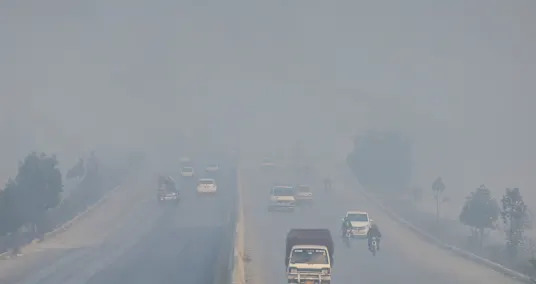
The Paris Agreement’s “stretch goal” of limiting warming to 1.5 C above preindustrial levels is no longer feasible, according to an analysis of 15 market outlooks compiled by think tank Resources for the Future.
Energy-related CO₂ surpassed 38,000 million metric tons in 2024, and most forecasts don’t expect a peak until sometime between 2030 and 2035, with reductions by 2050 varying significantly. The most aggressive projection — the International Energy Agency’s Net Zero scenario — demands emissions fall by 13.4% every year through 2050 (the steepest drop this century was 5%, during COVID-19 shutdowns). Renewables will keep reshaping the energy mix, rising from roughly 15% of primary energy in 2024 to more than 20% by 2050. But that won’t be enough to meaningfully cut emissions while fossil fuels enjoy strong markets across the Middle East, Asia, and Africa. Rising electricity demand is also compounding the issue. Global power generation roughly doubled between 2000 and 2024, and could climb another 59% — or more than double again under some scenarios — by 2050, driven by the AI boom, the electrification of transport, and the rapid spread of air conditioning. Renewables are expected to supply a chunk of that new demand, but those additional terawatts represent “an energy addition, not an energy transition,” the report’s authors wrote.

latest_posts
- 1
 Rediscovering Experience Through Excursions: Individual Travel Stories
 - 2Chief of Staff Zamir warns IDF will collapse due to lack of manpower, raises 'ten red flags'
- 3A 'rampaging lion' nebula roars to life in a stunning deep-space photo
- 4Greenland’s melting ice and landslide-prone fjords make the oil and minerals Trump is eyeing dangerous to extract
- 5Ancient fire discovery marks significant milestone in human history




- Nearly 16,000 New York City nurses prepare to strike as contract talks stall
- Israel faces tough choices over haredi draft exemptions, legal expert warns
- Amazon sued over 'punitive' handling of employee absences
- How HIV/AIDS got its name − the words Americans used for the crisis were steeped in science, stigma and religious language
- 7 Extraordinary Efficiency Applications for Experts
- 7 Fast Approaches to Let loose Space on Your Telephone in a flash
- Exploring the Mind boggling Universe of Connections: Individual Bits of knowledge
- Tragedy in Minnesota, vaccine news, Snoop's game call: Week in review
- From Amateur to Master: My Involvement in Photography